
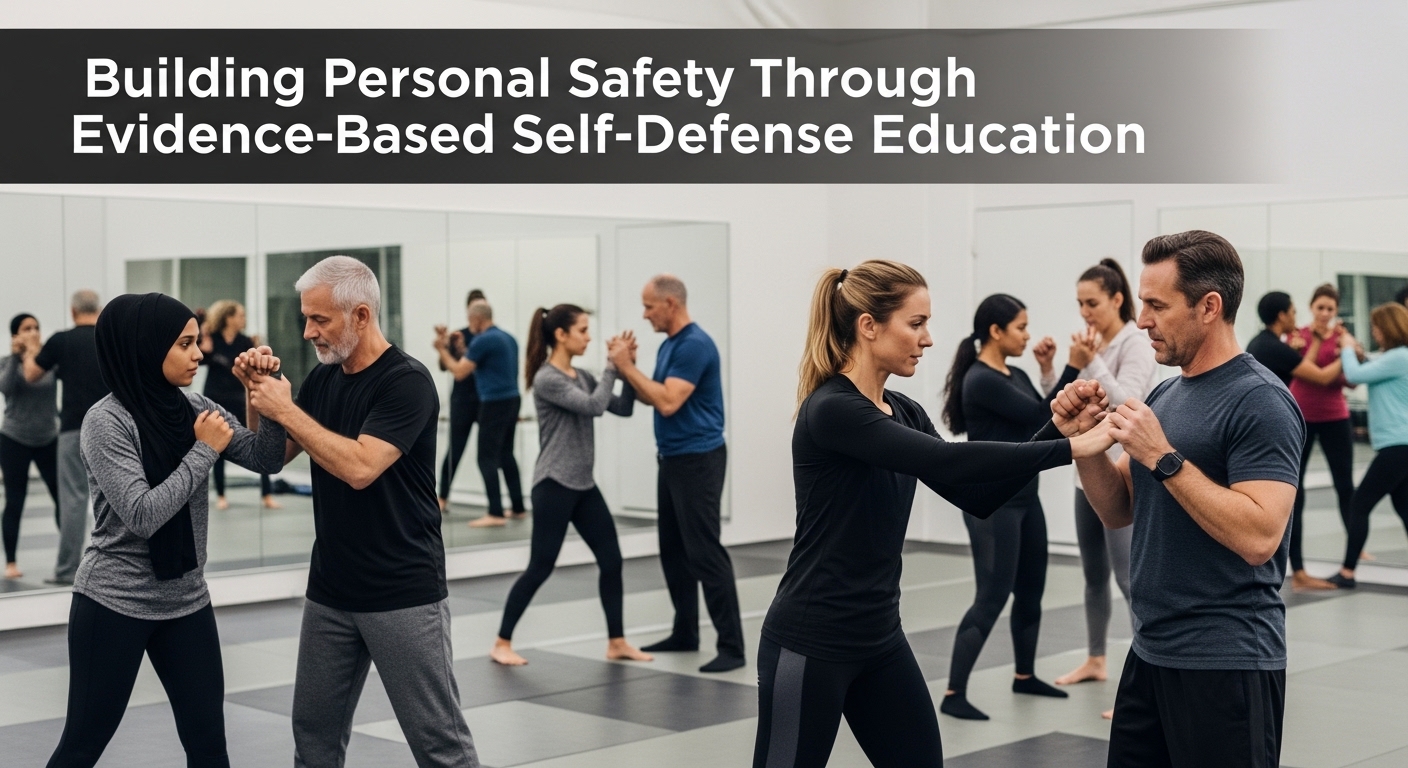
Personal safety is no longer just a concern for professionals in security-related fields. In today’s world, individuals from all backgrounds are seeking reliable ways to protect themselves physically and mentally. Self-defense education has evolved beyond basic techniques and now focuses on awareness, prevention, and informed decision-making in real-life situations.
Self-Defense as a Life Skill
True self-defense is not about aggression or intimidation. It is about learning how to recognize danger, manage fear, and respond effectively when faced with a threat. Modern self-defense programs teach individuals how to assess situations, avoid unnecessary risks, and take control when avoidance is no longer possible. These skills are useful not only in dangerous scenarios but also in everyday life, helping people move with greater confidence.
The Importance of Evidence-Based Training
Evidence-based self-defense training relies on real-world research, behavioral studies, and practical scenarios rather than unrealistic drills. This approach prepares students for the unpredictability of real encounters. By understanding how the body reacts under stress, students can train in ways that reflect actual human responses, making their skills more reliable when it matters most.
Trauma-Informed Approaches to Self-Defense
Trauma-informed training recognizes that fear, past experiences, and stress can affect how individuals respond to threats. Programs that respect these factors create safer learning environments and help students build resilience without causing harm. This approach is especially important for individuals who want empowerment without intimidation, allowing them to grow both physically and mentally.
Understanding Criminal Behavior for Prevention
One of the most powerful tools in self-defense education is understanding criminal behavior. Learning how offenders select targets, manipulate situations, and exploit vulnerabilities gives individuals an advantage before a confrontation ever becomes physical. This knowledge helps people recognize warning signs early and make smarter decisions to stay safe.
Combining Physical Skills with Mental Strength
Effective self-defense balances physical training with mental preparedness. Disciplines such as Krav Maga and No Gi Jujitsu focus on realistic movements, adaptability, and control rather than sport-based rules. Programs like Shaan Saar integrate physical techniques with behavioral analysis and real-world investigation experience, offering a holistic approach to personal protection and empowerment.
Who Benefits from Self-Defense Education
Self-defense education is valuable for everyone, including everyday individuals, professionals, and those seeking personal growth. It improves physical fitness, sharpens awareness, and builds confidence. For many, it becomes a path toward mental clarity and emotional strength, not just a method of protection.
Final Thoughts
Self-defense is about preparation, knowledge, and confidence—not fear. Evidence-based and trauma-informed training equips individuals with practical skills that work in real-life situations. By choosing comprehensive self-defense education, people invest in their safety, empowerment, and long-term well-being.