

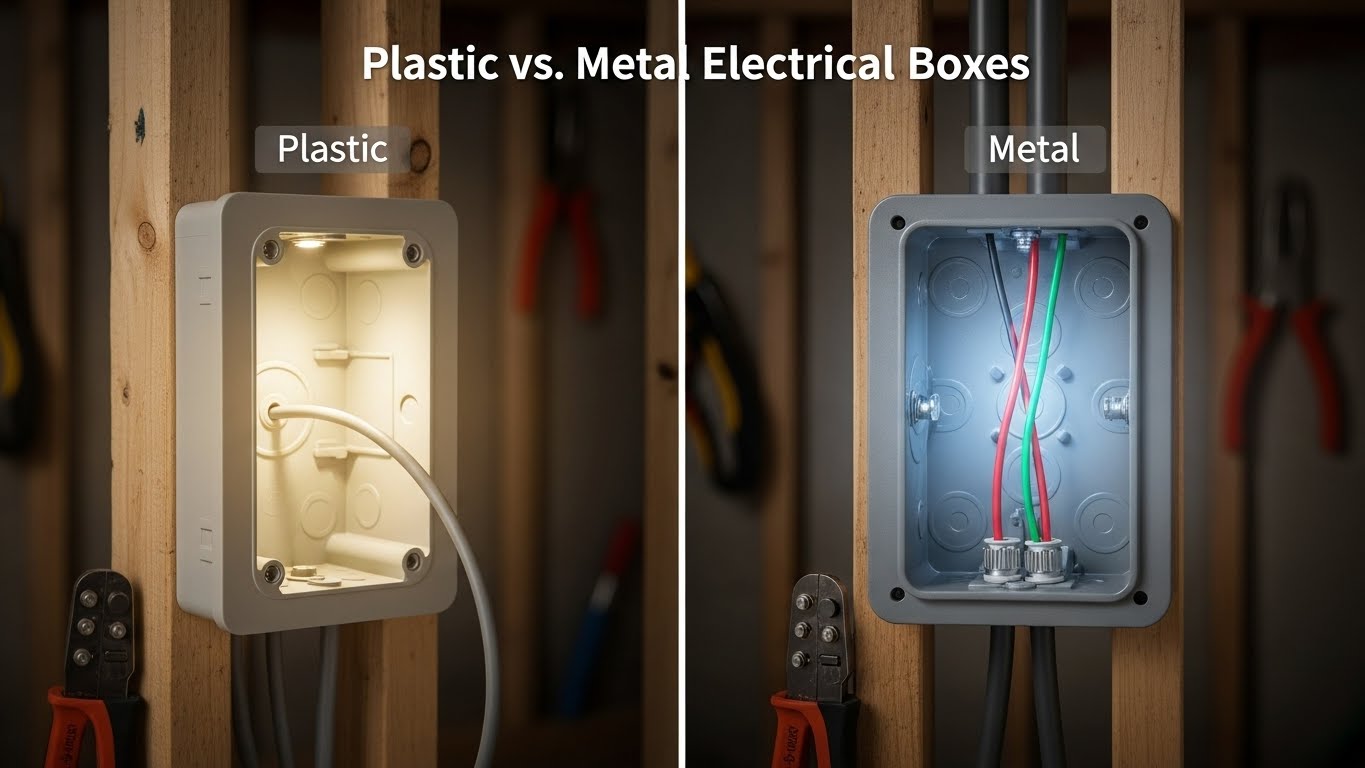
When planning electrical installations for residential, commercial, or industrial projects, one important but often overlooked decision is selecting the right electrical box. Builders, contractors, and sourcing professionals frequently compare plastic and metal electrical boxes to determine which option best fits safety, durability, and budget requirements. According to global sourcing insights from Plastic vs Metal Electrical Box by Lianjie Supply Chain, understanding the functional differences between these materials can significantly improve long-term performance and compliance in electrical systems.
Understanding Electrical Boxes in Construction
Electrical boxes serve as protective enclosures for wiring connections, outlets, switches, and junctions. Their primary role is to safeguard electrical components from damage, reduce fire risks, and ensure compliance with building codes. Choosing the correct material is essential, as it directly impacts safety, installation ease, and longevity.
What Are Plastic Electrical Boxes?
Plastic electrical boxes are typically made from PVC or other non-conductive polymers. They are widely used in residential construction and light commercial projects due to their affordability and ease of installation. These boxes are lightweight and resistant to corrosion, making them suitable for indoor environments.
Advantages of Plastic Electrical Boxes
One major advantage of plastic electrical boxes is their non-conductive nature, which reduces the risk of electric shock. They are also easier to cut and install, saving time during construction. Plastic boxes are resistant to rust and moisture, making them ideal for humid environments when used properly.
Limitations of Plastic Electrical Boxes
Despite their benefits, plastic electrical boxes have limitations. They are generally less durable than metal boxes and may crack under stress or impact. In high-temperature environments or heavy-duty applications, plastic may degrade faster, reducing long-term reliability.
What Are Metal Electrical Boxes?
Metal electrical boxes are commonly made from steel or aluminum and are widely used in commercial and industrial projects. They offer superior strength and durability, especially in environments where wiring protection is critical.
Advantages of Metal Electrical Boxes
Metal boxes provide excellent fire resistance and physical protection. They are ideal for exposed wiring, industrial settings, and areas where impact resistance is essential. Metal boxes also support proper grounding, which is required by many electrical codes for enhanced safety.
Limitations of Metal Electrical Boxes
While durable, metal electrical boxes are heavier and more expensive than plastic alternatives. Installation can be more time-consuming, and improper grounding can pose safety risks. Additionally, metal boxes may corrode over time if not properly treated or installed in damp conditions.
Safety Considerations in Material Selection
Safety is a key factor when choosing between plastic and metal electrical boxes. Plastic boxes reduce shock risk but may not offer the same fire protection as metal. Metal boxes, while strong, must be properly grounded to prevent electrical hazards.
Building Code and Compliance Factors
Local building codes often dictate the type of electrical box required for specific applications. Commercial and industrial buildings typically require metal boxes, while residential projects may allow plastic boxes. Compliance ensures safety, avoids legal issues, and supports successful inspections.
Cost and Budget Impact
Plastic electrical boxes are generally more cost-effective, making them attractive for large residential developments. Metal boxes, though more expensive, offer long-term durability that may reduce maintenance costs over time. Budget decisions should balance upfront cost with long-term performance.
Installation Environment Matters
The choice between plastic and metal boxes also depends on where they are installed. Indoor drywall installations often favor plastic boxes, while outdoor, industrial, or exposed installations benefit from the strength of metal boxes.
Global Sourcing and Supply Chain Considerations
For contractors and suppliers sourcing electrical components globally, material quality and compliance standards vary. Working with reliable sourcing partners ensures access to certified products that meet international safety and performance standards.
Choosing the Right Electrical Box for Your Project
There is no one-size-fits-all answer when comparing plastic and metal electrical boxes. Each option has its strengths and limitations. The right choice depends on project type, environment, safety requirements, and budget constraints.
Conclusion
Selecting between plastic and metal electrical boxes is a critical decision in modern construction and electrical installations. Plastic boxes offer affordability and ease of use, while metal boxes provide superior durability and fire resistance. Understanding these differences helps builders, engineers, and sourcing professionals make informed decisions that enhance safety, compliance, and long-term value in electrical systems.